The world of electronics is constantly evolving, and the technological revolution taking place in the field of electronics is having a profound impact on the manufacturing of components and systems. New technologies not only streamline manufacturing processes but also open doors to new realms of capabilities, precision, and innovation. From the future of sensors to 3D printing, the electronics field is undergoing a significant transformation that is shaping how we consume technology in every area of life.
-
How Do New Technologies Impact Electronic Component Manufacturing?
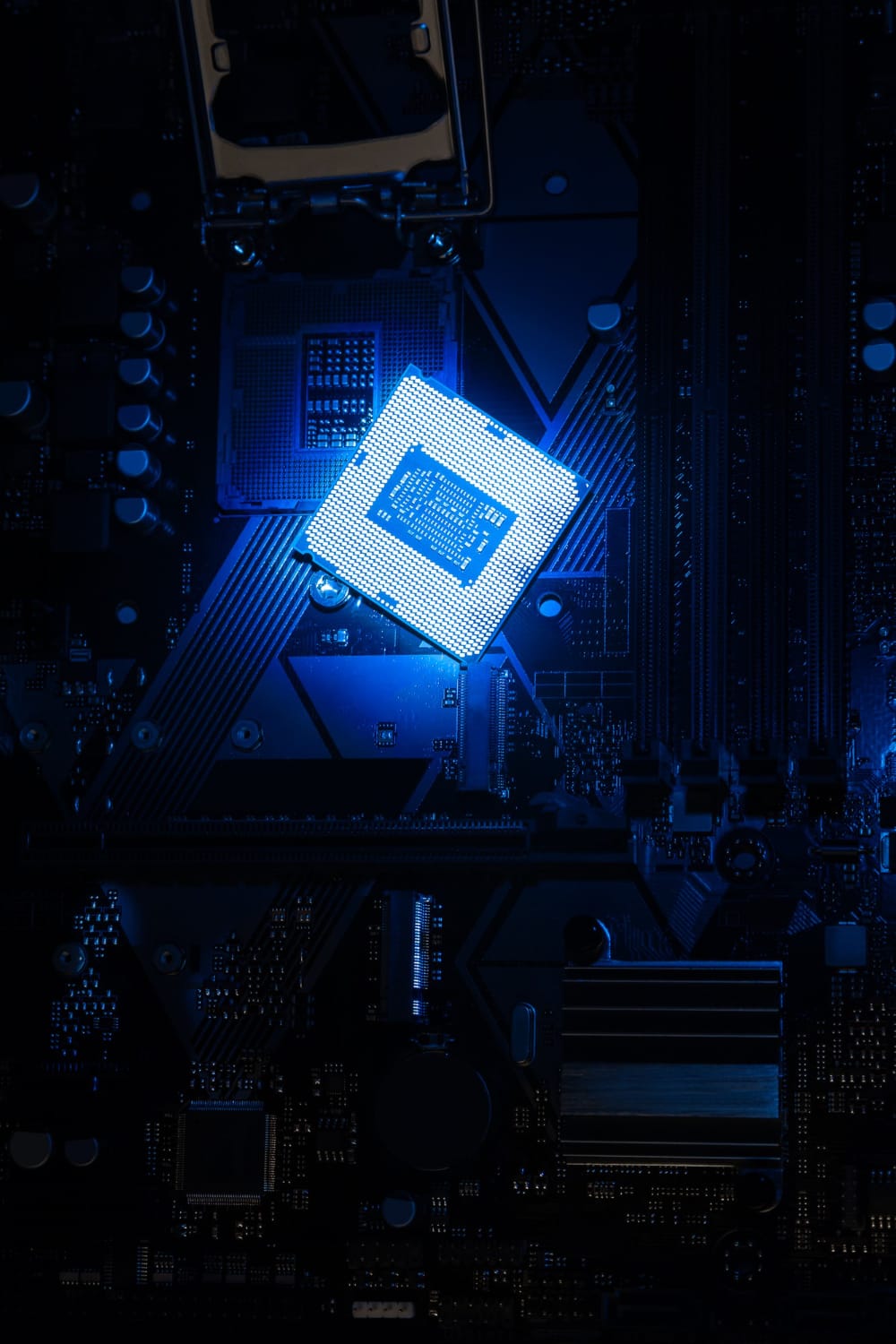
Technological advancement has had a substantial impact on the way electronic components are manufactured. Innovations such as the development of smaller and more advanced chips, smart sensors, and components with artificial intelligence (AI) capabilities lead to the creation of smarter, more efficient, and cost-effective systems. The integration of advanced technologies allows for the production of components with faster data processing, smaller and more precise designs, and greater integration capabilities.
-
3D Printing – How Is It Changing the Game?
3D printing in electronics is one of the technologies driving a true revolution in component manufacturing. This technology allows for high-speed production of components while saving on costs and providing great flexibility in component design. The use of 3D printing enables more precise customization of components to meet client needs, saving both time and money in the manufacturing process.
-
Smart Sensors – A Revolution Across Industries?
Smart sensors are an integral part of the most advanced developments in the electronics industry. They enable automation and enhance system control in various fields, including healthcare, transportation, ergonomics, and more. These sensors transmit real-time data and help make smarter and more accurate decisions, leading to process optimization and fewer errors. Their significant impact on component manufacturing brings about a new era of “smart” production.
-
Using New Materials – Moving Beyond Traditional Materials
With advancements in technologies, there is an increasing trend toward using new and innovative materials in the production of electronic components. Materials such as graphene, ceramics, and new conductive substances are enhancing the performance of electronic components while reducing weight, improving strength, and optimizing energy transfer. These materials enable the development of smaller, more efficient components suitable for advanced technologies like computer parts, smartphones, and medical equipment.
-
5G Technology and Its Impact on Electronic Components
The advancements in networks and connectivity with 5G technology are transforming the electronics industry in remarkable ways. 5G enables ultra-fast connectivity between devices, leading to improved performance of electronic components such as modems, antennas, and communication modules. Manufacturing components compatible with 5G requires innovations and high technological precision, ushering the electronics industry into a new era of connectivity.
-
Nanoelectronics – Small but Powerful
Advancements in nanotechnology allow the creation of electronic components that are minimal in size without compromising their performance. These components offer impressive processing power and high computing capabilities, all while using minimal space and energy. Nanoelectronics is changing the way we perceive and understand electronics and is paving the way for small yet powerful computing systems.
-
How S.T.S Master Makes a Difference in Electronic Manufacturing?
S.T.S Master specializes in understanding the latest innovative technologies in the electronics field and provides customized solutions for each client. With over 15 years of experience, the company knows how to identify the most suitable materials and technologies for manufacturing electronic components with high precision and optimal cost. We utilize the latest materials and technologies, such as 3D printing and smart sensors, to ensure our clients receive the highest-quality products.
-
The Future of the Electronics Industry – What’s Next?
The future of the electronics industry lies in continuous technological improvements. With advancements in 5G technology, nanoelectronics, and smart sensors, we can expect to see more electronic components performing complex tasks in smarter and more efficient ways. The electronics industry never stops, and its foundation lies in continuous progress and the ability to embrace technological innovations that enable the production of smaller, faster, smarter, and more efficient components.
The revolution in the electronics industry brings exciting innovations that directly affect component manufacturing. With technologies such as 3D printing, smart sensors, and nanoelectronics, the electronics industry is undergoing a deep transformation that is leading to the production of smaller, more efficient, and precise components. With the help of S.T.S Master, you can ensure the use of the latest technologies and receive customized solutions tailored to your business needs.
If you’re interested in upgrading your electronic components and staying up to date with the latest technologies, contact us today for professional advice.